
By Julie Ann Funkenstein | Lifestyle Editor
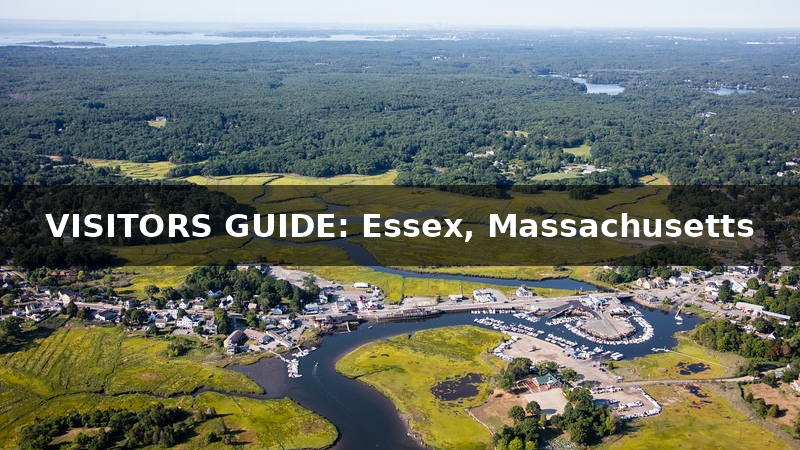
Essex is a small, old style New England town in Massachusetts famous for two things: building wooden boats and frying not-wooden clams. It’s a place where the air smells like batter, the roads taste like salt, and every building looks like it could fall into the marsh at any moment.
The History of Essex – Or, the Story of Some Guys Who Really Liked Boats
Essex was founded in the 1600s by a group of settlers who, for reasons that remain unclear, decided to live in a tidal swamp surrounded by mosquitoes the size of sparrows. They quickly discovered that the only way to survive was by building boats, a tradition that continues to this day because no one has thought of a better idea.
At one point in the 19th century, Essex was the shipbuilding capital of the world, churning out more two-masted schooners than any other town on Earth. This is mostly because the locals figured out that if you slap enough wood together and push it down the Essex River, it’s technically a boat.
Why Is It Called Essex?
The town of Essex was named after the county of Essex in Massachusetts, which was named after the county of Essex in England, both of which are known primarily for being slightly damp. Early settlers briefly considered naming the town “Shipshank” or “Wooden Boat Land” before ultimately settling on Essex, possibly because it sounds like something you’d say while sneezing.
The Essex River – A Waterway That’s Basically Just a Big Mud Puddle
The Essex River is a narrow, winding body of water that connects the town to the open ocean. At low tide, it’s mostly just a series of mudflats, seagull footprints, and the occasional rusty green crab trap. At high tide, it’s a raging torrent of slightly colder mud, seagull footprints, and crab traps that have somehow gotten rustier.
Locals insist that the river is perfect for boating, as long as you don’t mind getting stuck in the mud, bumping into oyster beds, or being chased by a territorial blue heron.
The Great Essex Clamspiracy
Essex is also famous for its clams, which are fried and sold for a price that suggests they’re hand-raised by aristocrats. The town’s clam shacks – Woodman’s, Farnham’s, and that other one – are legendary, and people will drive for hours to eat a paper plate full of grease while swatting greenhead flies the size and consistency of cherry tomatoes.
Local lore claims that Essex clams taste better than clams from anywhere else in the world, possibly because they’re harvested from a river that’s more mud than water, giving them a unique, slightly gritty texture. Scientists have yet to confirm this theory because they keep getting stuck in the mud trying to take samples.
The Essex Shipbuilding Museum – A Place for People Who Really Like the Smell of Varnish
The Essex Shipbuilding Museum is one of the town’s primary tourist attractions, offering visitors a chance to see wooden boats in various stages of decay and learn more than they ever wanted to know about the “art” of boatbuilding. The museum’s collection includes a variety of tools, half-finished hulls, and at least one ghost.
Tours are available daily, and visitors are encouraged to ask questions like, “Why does that plank look like it’s about to snap?” and “Are you sure that’s structurally sound?”
Essex – Damp, but Nice
Essex is a place where the tides move slow and time moves even slower. It’s a charming little town to put on your travel itenerary – full of antique shops, seafood restaurants, antique shops, and even some people who run antique shops – though visitors are warned to be cautious of the frequent street fights that occur between supporters of Woodman’s and supporters of Farnham’s.
 The Dogtown Reader