
By J.B. Fitzsimmons | Gloucester Correspondent
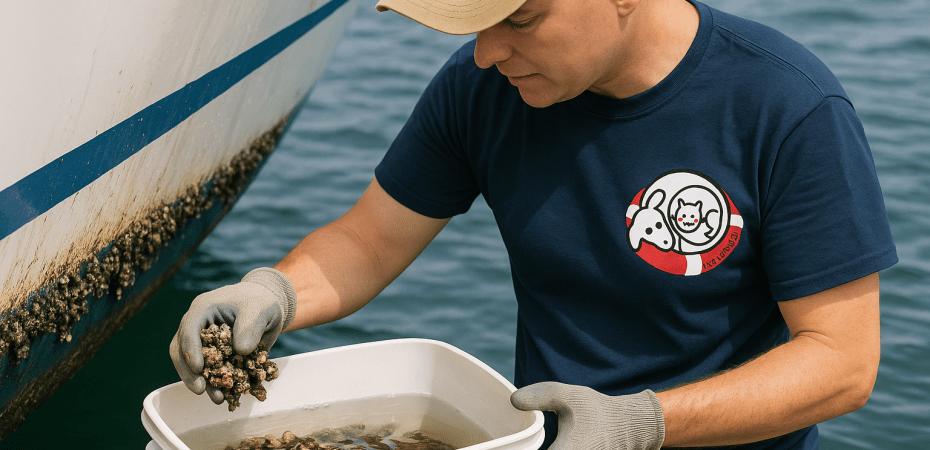
GLOUCESTER — In an effort to protect one of Cape Ann’s most misunderstood creatures, Cape Ann Animal Aid has officially launched its newest initiative: a barnacle rehoming program for those displaced during annual spring boat cleanings.
The program, affectionately dubbed “Cling Together,” seeks to provide stable, loving surfaces for barnacles that have been forcibly detached from the hulls of boats, floats, and buoys..
“Every year, thousands of barnacles are scraped off with no plan for what comes next,” said shelter coordinator Kira McScritch, standing next to a 10-gallon holding tank labeled ‘temporary barnacle enrichment center’. “People don’t realize — they’re highly social creatures with strong attachment instincts and absolutely no boundaries. They just want something to stick to.”
Cape Ann Animal Aid has begun accepting donations of unused dock planks, driftwood, and the undersides of kayaks that people definitely aren’t using as often as they said they would. Approved foster hosts are asked to place barnacle-friendly materials in tide pools and whisper calming phrases like “You are more than just marine debris” or “Your adhesive proteins are valid.”
The program has already seen early success. One Gloucester family reported that their old boogie board, forgotten behind the shed since 2008, is now home to no fewer than 42 barnacles.
“They’re not very interactive,” said 9-year-old Nora Provost., “but they make funny faces when you poke them.”
Still, not everyone is on board. A group of boat owners has raised concerns that reintroducing barnacles into the harbor might create “recidivism,” with formerly rehomed barnacles returning to the very boats they were removed from.
McScritch says the concerns are overblown. “We’re working with each barnacle individually to assess their readiness to reenter the marine ecosystem. They receive support, mentoring, and a brochure on legal surfaces.”
The shelter is also looking into expanding the program to other often-displaced marine species, including mussels, limpets, and one sea cucumber that was found stuck to a jet ski and now suffers from velocity anxiety.
Interested volunteers are encouraged to apply at Cape Ann Animal Aid, though applicants should be aware: the barnacles are low-maintenance, but they will emotionally imprint on your kayak.
“Just because they’re crusty doesn’t mean they’re not worth loving,” said McScritch, gently stroking a piece of barnacle-covered driftwood. “I think that’s something we could all do well to remember.”
 The Dogtown Reader